From Diddl to Vine Energy from 2016: The Past Is Trending Again
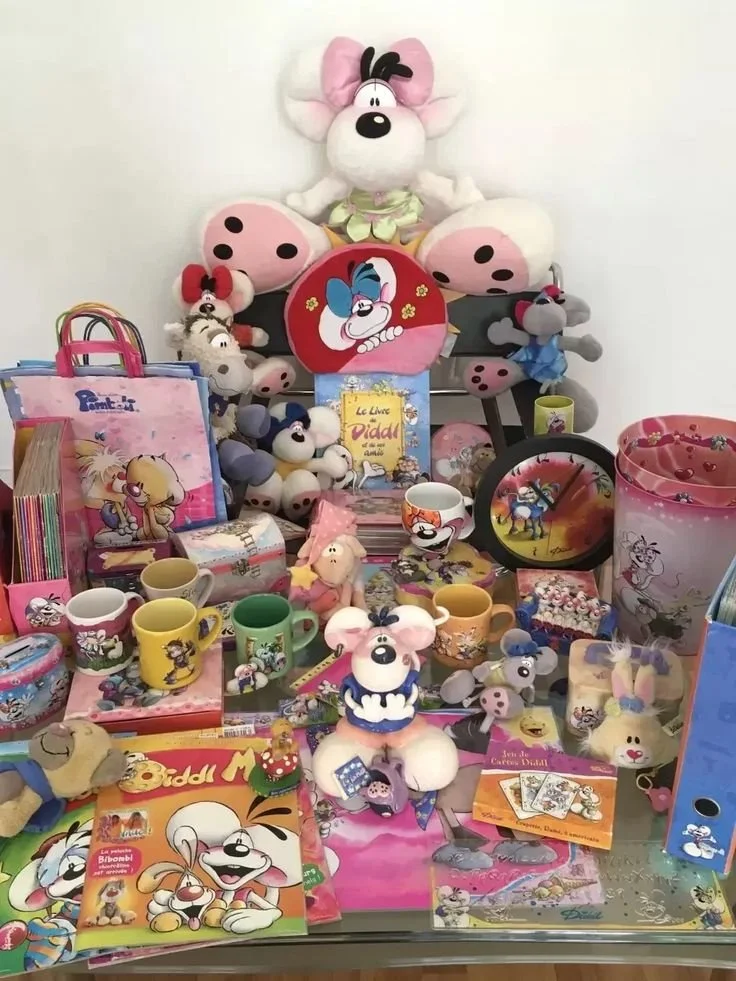
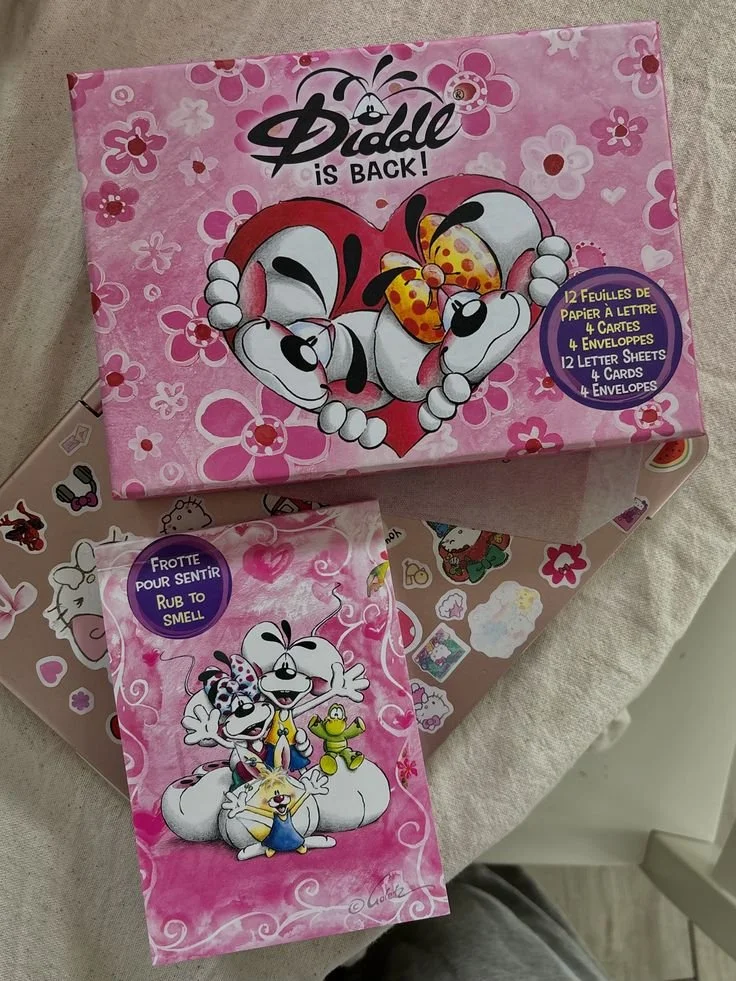
The mouse is back. After years of absence, Diddl is returning with new products in 2026. What was once a cult phenomenon of the late 90s and early 2000s is quietly reclaiming space on shelves and, perhaps more importantly, on social media. The brand is already gaining traction on Instagram and TikTok, with a growing presence on both platforms. In France, Diddl has officially made its way back into stores.
At first glance, it might seem like a simple reboot of a nostalgic brand. But the timing feels anything but accidental. Diddl isn’t just coming back, it’s returning at a moment when we seem to need it the most.
The comeback echoes a similar revival we witnessed last year with Bibi Blocksberg. The brand behind it, Kiddinx, understood something essential: the audience had shifted. Bibi’s new social media presence wasn’t aimed at children discovering her magic for the first time, but at Gen Z and Gen Y, people who grew up falling asleep to her voice, even if they’re no longer the age demographic for children’s audio plays.
We may not need these stories anymore, but we crave them. Not because they’re new, but because they’re familiar. Because they remind us of a time when life felt lighter, slower, and less demanding.
Diddl seems to be following the same path. Once traded on school playgrounds as prized “cheese papers,” the brand now speaks directly to the kids of yesterday – today’s grown adults – through Instagram captions with giveaways and formats like “Diddl’s Käsefreitag” The mouse hasn’t changed much and our longing for it hasn’t either.
This longing isn’t limited to cartoon characters or stationery. It’s everywhere.
On social media, people ask: Is 2026 the new 2016 – or are we just craving how life felt back then? There is a yearning for the golden age of meme history and chaotic energy on social media. Gen Z and Gen Y don't just long for their childhood; they also feel nostalgic about their teenage years, when social media seemed more carefree.
In a world that feels increasingly politically and economically unstable and emotionally draining, nostalgia offers a sense of refuge. It doesn’t demand optimism about the future; it simply offers comfort rooted in the past. Whether that past is the schoolyard of the early 2000s trading Diddl products, listening to Bibi’s spells in Neustadt, or 2016, the era of chaotic memes, short-form vlogs, and the King Kylie era when pop culture felt playful rather than exhausting. We romanticize those years because they felt uncomplicated.
Fashion has already proven that style moves in cycles, from the 90s to the 2000s and back again. Pop culture works the same way. What we loved when we were younger doesn’t disappear; it waits for the right emotional moment to return.
But this current wave of nostalgia goes beyond aesthetics. It’s not just low-rise jeans or glossy lipsticks. It’s a yearning for a time when social media felt lighter, when the internet was less performative, or even to a time when our biggest concern was whether we had the rarest Diddl paper in our collection.
Life today is increasingly romanticized as if it were a short-form 2016 vlog or a fantasy where trading stationery is our main responsibility and Bibi takes care of the rest with a spell. A collective desire to return to a version of ourselves that existed before everything became so serious.
Diddl’s return taps into exactly that feeling. The brand doesn’t need to reinvent itself radically. Its power lies in recognition, in the emotional memory of who we were when Diddl mattered to us the first time.
What remains to be seen is how well Diddl will navigate social media culture long-term. Bibi Blocksberg has already shown how nostalgia can be translated successfully into digital relevance. But even without a perfect strategy, the demand is there. The longing is already present.
2016 is back.
The King Kylie era is back.
The 90s and 2000s are back.
Bibi Blocksberg is back.
Diddl is back.
Nostalgia is trending.
And maybe what’s really coming back is the playful, chaotic energy of a time before everything felt so heavy, a reminder of who we were, and why that still matters.
by Luisa Gabriel