Luxury Brands Are Rewriting Childhood Nostalgia
There’s a specific moment during the Christmas holidays when time seems to loosen its grip. Once all the presents have been opened and the table has been cleared, a familiar quiet settles in. Everyone is full, slightly tired, and unsure what to do next. This is usually when someone suggests a game. Monopoly. UNO. Jenga. Familiar objects pulled from cupboards, worn at the edges, carrying decades of shared memories.
This year, those same games have returned, only they look very different.
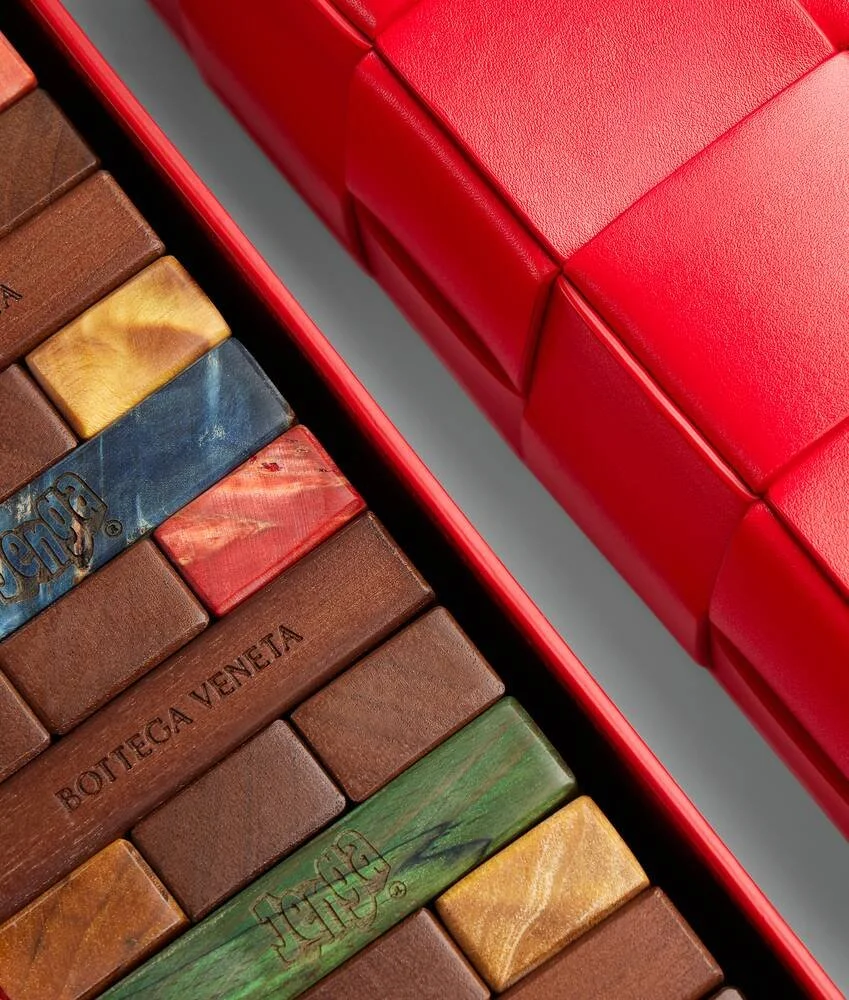
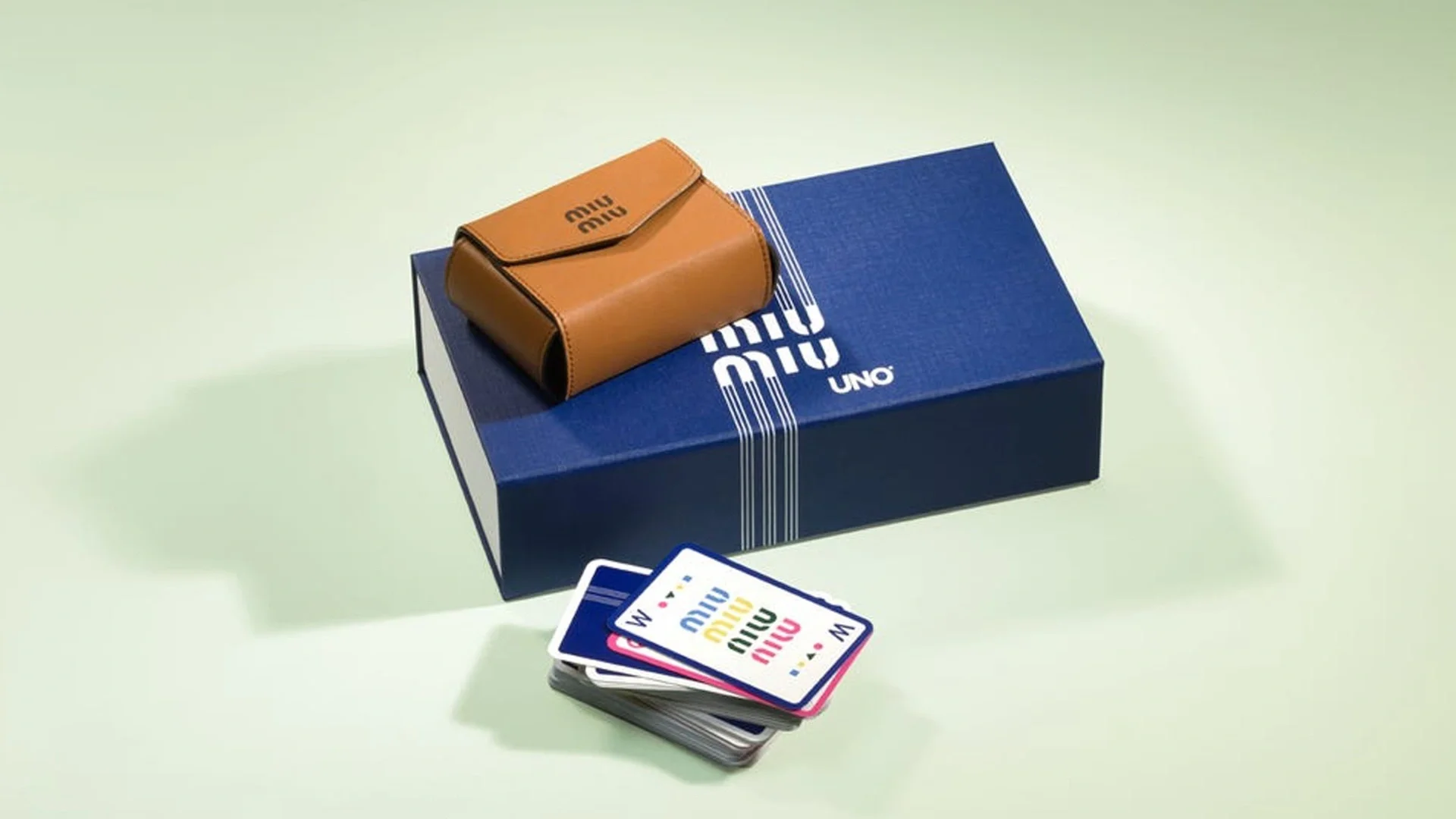
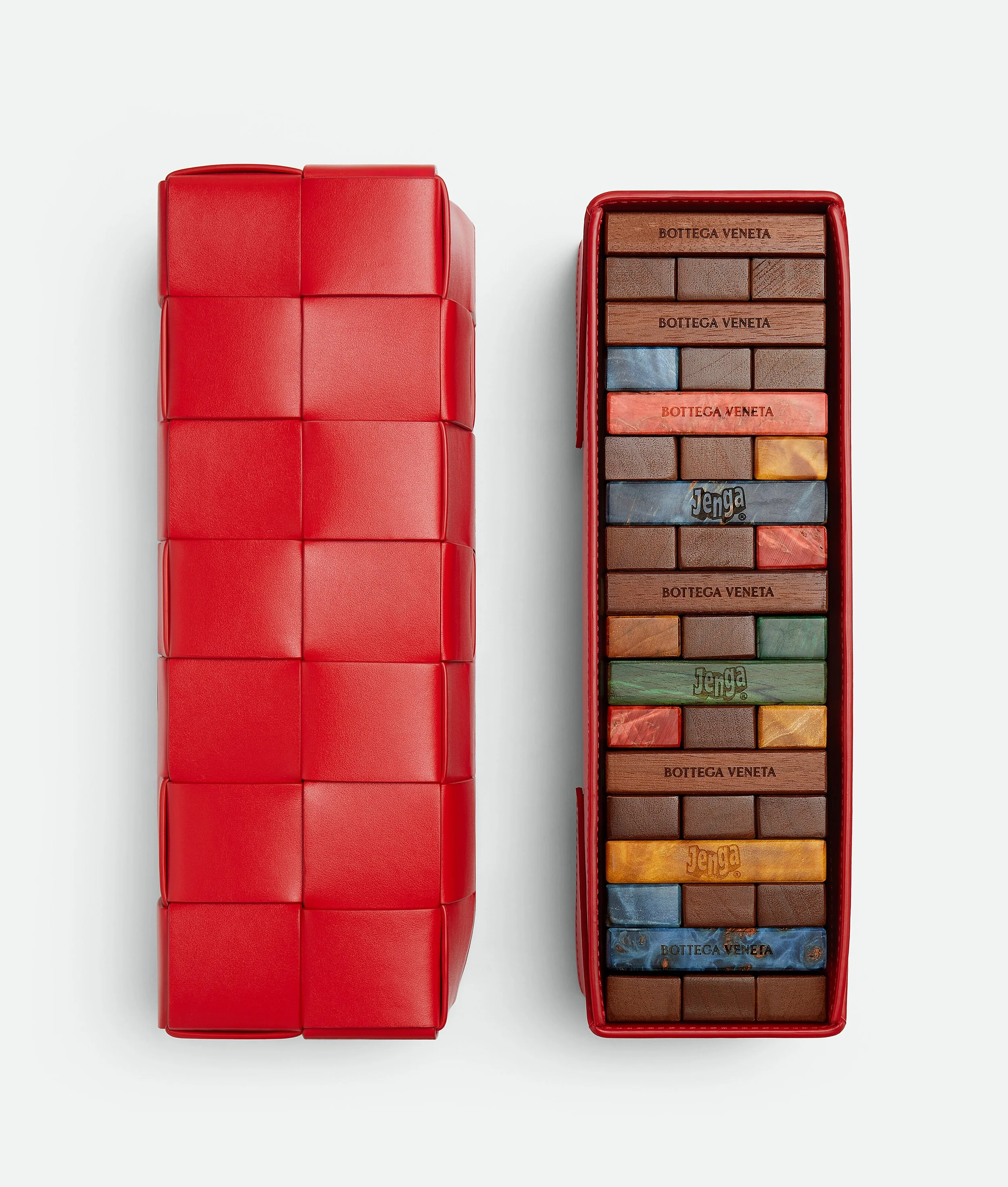
Luxury fashion houses have quietly begun reclaiming childhood board games and card decks, turning them into objects of desire. Miu Miu’s UNO. Balenciaga’s Monopoly. Bottega Veneta’s Jenga. At first glance, these appear as playful reinterpretations, perfectly timed for the holiday season. Looking closer something more nuanced is happening: fashion isn’t just selling games, it’s reframing nostalgia through the lens of timeless design.
In a way, the pairing makes sense. The most prestigious fashion houses trade on longevity: silhouettes that outlive trends, materials meant to age, logos designed to endure decades. Classic board and card games operate on the same principle. Their rules rarely change. Their appeal transcends generations. They survive precisely because they remain unchanged, which makes them timeless.
When these two ideas meet, the result feels almost inevitable. A childhood game, stripped down to its most essential form, becomes a design object, something that belongs not just to play, but to display. On a coffee table or sideboard, a luxury board game reads less like a toy and more like a quiet statement about taste, permanence, and restraint.
But this transformation comes at a cost. Board games are among the most democratic cultural objects we have. Anyone can play. The rules are shared, the outcomes unpredictable and the memories collective. When luxury brands step in, they don’t simply elevate the materials; they alter the social function. A 450€ UNO deck “intended for an adult audience” or a Monopoly set reserved for VIP clients shifts nostalgia from something communal to something owned.
The games are no longer worn out, bent or covered in scribbles. They are preserved and displayed. They are still played occasionally, but carefully. What was once defined by repetition and imperfection is now curated and almost archival.
Christmas makes this shift especially visible. The season is built on collective rituals: shared meals, shared boredom, shared activities. Introducing luxury games into that moment subtly changes the dynamic. The game is still familiar, but it now carries a different weight.
by Luisa Gabriel