Meat the New Law: Amsterdam Is Banning McDonald’s… Kind Of
First it was cigarettes. Then fossil fuels. Now, meat advertisements are starting to lose their place in public space too… and we’re not mad about it
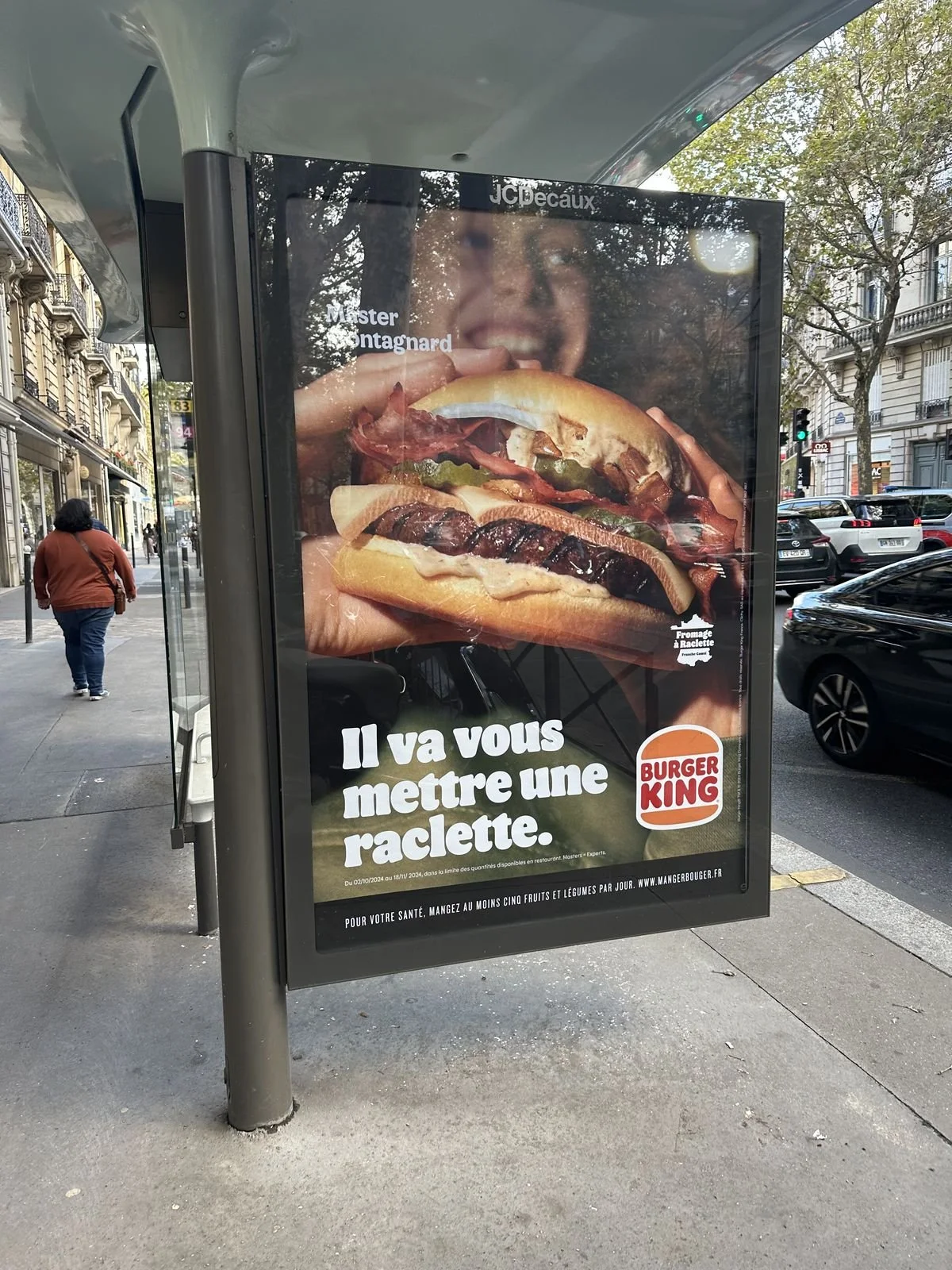
Amsterdam quietly did something kind of iconic recently: the city officially banned meat advertisements from public spaces. Bus stops, billboards and metro stations that used to be covered in campaigns for cheap flights, fast cars and steak are now being replaced, so instead of being greeted by a massive Big Mac at 7am on your commute, you’re more likely to see an art exhibitions, theater posters and classical concerts instead.
Public space is getting a rebrand, less overconsumption, more culture.
The decision is part of Amsterdam’s larger goal of becoming climate neutral by 2050. And honestly, the logic behind it feels pretty hard to argue with: if cities are trying to reduce emissions, why keep filling public space with ads promoting the exact industries contributing to them?
Predictably, the backlash was immediate. The Dutch Meat Association rushed to defend meat as “essential” to people’s diets, while the Dutch Association of Travel Agents criticised the ban for limiting commercial freedom.
But the outrage feels slightly dramatic considering what is actually happening here. No one is refusing people from eating meat. No one is banning burgers from supermarket shelves. Amsterdam is simply deciding that maybe public space does not need to function as a nonstop commercial for animal harm. And honestly? The idea of eating a little less meat probably wouldn’t destroy society either, despite the reactions online suggesting otherwise.
Beneath the backlash sits a more uncomfortable reality: advertising has always functioned as cultural acceptance. Billboards do not just promote products; they normalise lifestyles. Smoking once looked prestigious, too, until it didn’t.
Amsterdam’s decision raises a larger question. What happens when certain types of consumption stop looking aspirational and start looking careless?
For years, the meat industry hasn’t just been selling food, it’s been selling a whole aesthetic. Luxury. Masculinity. Tradition. The perfectly grilled steak shot like a perfume campaign. The family barbecue framed as the ultimate version of happiness.
Advertisements do more than sell product. They sell identities. A certain lifestyle. A version of success people are supposed to aspire to. What you wear, what you drive, what you order for dinner all of it becomes part of the image.
And lately, culture has definitely swung back toward protein-heavy diets again. Suddenly everyone online is tracking macros, posting steak dinners and acting like eating vegetables is a personality flaw. Meanwhile, supermarket shelves that were once packed with vegan alternatives are already starting to shrink again.
Which honestly makes Amsterdam’s decision feel even more interesting. Instead of following whatever consumption trend is currently dominating timelines, the city is trying to shift the visual culture itself.
The question is whether this prompts meaningful climate action or simply performative sustainability aesthetics.
The timing is not accidental. Younger generations increasingly associate excessive meat consumption with environmental concern rather than success. Fast fashion, cheap air travel, meat-heavy diets, and next-day delivery culture, all things once promoted as symbols of convenience and status, now carry a different kind of social responsibility. Consumption itself is becoming politically loaded, deciding what is worth being endorsed in public and what is harmful? The core lies in shaping public perception.
And maybe that’s the real reason this debate feels so charged. It forces people to confront their own role within endless consumption culture. What used to look aspirational suddenly starts looking excessive.
Amsterdam isn’t banning people from eating meat. It’s just deciding that giant glossy burger ads maybe don’t deserve cultural main character status anymore.
And if that alone feels deeply threatening to some people… maybe that says more about our relationship to consumption than the ban itself.
by Julia PetersenPhotos: Pinterest