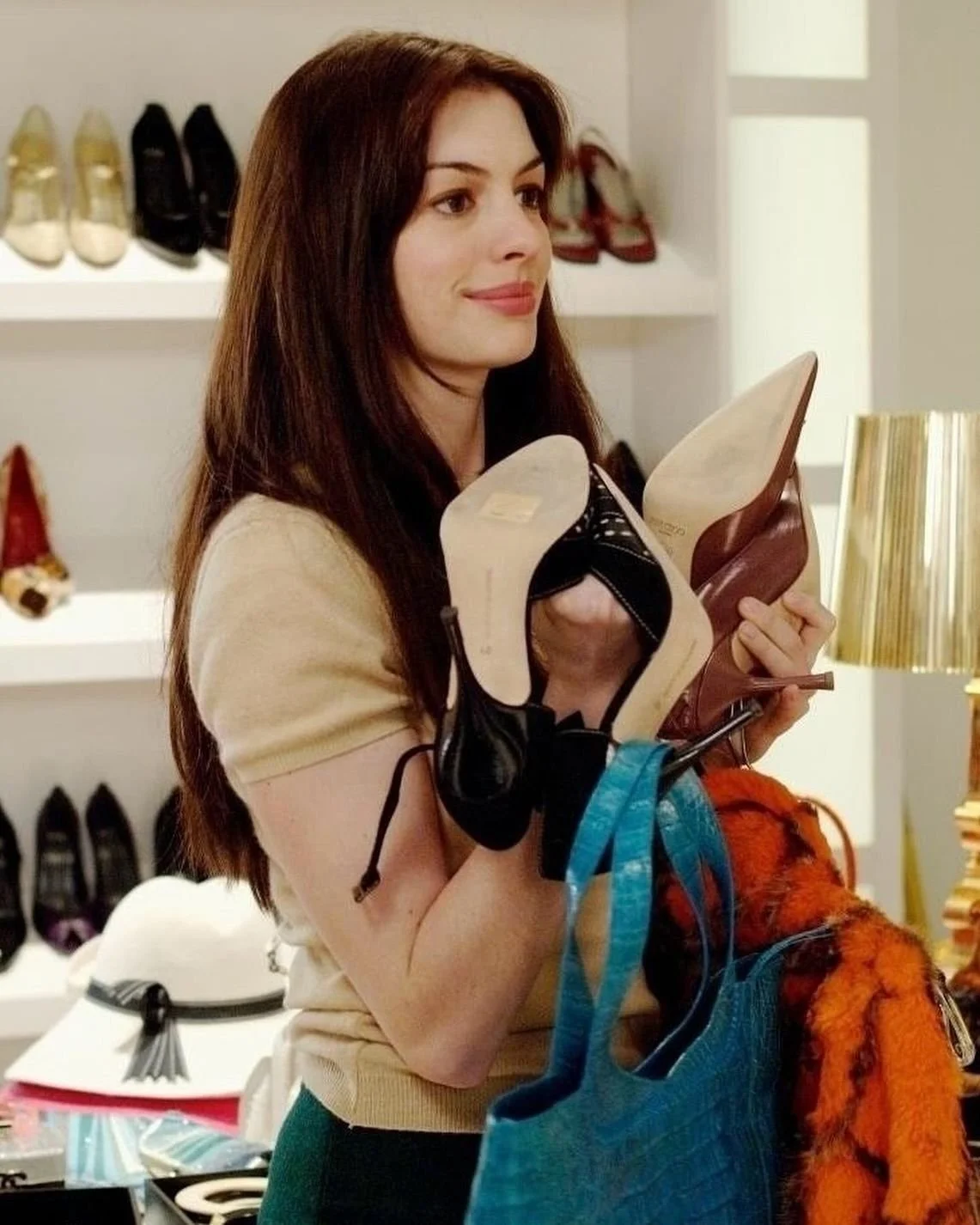
The Sequel We Actually Waited For: The Devil Wears Prada 2
Twenty years is a long time to wait for a sequel. It is also exactly long enough in this case.
The Devil Wears Prada 2 hits cinemas on May 1st, and the excitement around it feels entirely earned. We are deep in a 2000s revival and there is no clearer emblem of that era than Miranda Priestly stepping out of a Runway elevator in red stilettos. Meryl Streep, Anne Hathaway, Emily Blunt and Stanley Tucci are all back, as well as some new faces like Simone Ashley and Sydney Sweeney.
The film joins a broader cultural moment where sequels are everywhere. The 2000s nostalgia cycle has been building for years, working its way through fashion, music and aesthetics. Audiences right now are not just open to revisiting beloved worlds, they are actively hungry for it. There is something comforting about returning to characters you already love and following up on their storylines, and there are few sequels as anticipated as this one.
The original was never purely about fashion. It became a shared language, a set of references that a whole generation still reaches for. That kind of cultural relevance is rare and it explains why the sequel carries so much weight before its release. We grew up with Andy Sachs figuring herself out in a Chanel skirt, and there is something genuinely fun about checking back in twenty years later.
The sequel picks up with Miranda navigating the slow collapse of print media, while Andy returns to Runway and Emily, now a luxury brand executive, holds the financial keys to the magazine's survival. It is a premise that speaks directly to our moment. The golden era of glossy print that the first film originally popularized is now the thing under threat, and there is something genuinely moving about that.
It is also worth noting that The Devil Wears Prada arrived at a specific cultural moment, just before social media flattened the illusionary glamour of the fashion industry into something accessible and algorithmic. Back then, the world behind those glossy covers and extravagant runways still felt genuinely out of reach, and the film leaned all the way into that exclusivity. It made editorial work feel like a secret world you could only enter if you were sharp and hungry enough, and willing to suffer for it. That particular fantasy aged remarkably well. If anything, the rise of fashion content creation and the democratization of style online has made people more nostalgic for that era of gatekeeping, not less. There is a reason the aesthetic of the overworked, over-caffeinated, impeccably dressed editorial girl never really left us. The Devil Wears Prada gave her an origin story, and twenty years later she is still very much in the room.
The film romanticized the chaos of editorial work in a way that felt exciting rather than cautionary, and it sent waves of young women straight into journalism, fashion, PR and communications with a very specific vision of what that world could look and feel like. The reality of an entry level position in media is, of course, significantly less Chanel and significantly more unpaid overtime.
But the fantasy it planted was real and lasting. And perhaps no single image captures that better than the May 2026 Vogue cover of Meryl Streep and Anna Wintour, side by side, shot together by Annie Leibovitz. What is more iconic than the woman who inspired one of the most beloved villain roles of 2000s cinema sitting beside the woman who famously plays her? It is audacious and a little absurd and completely perfect. Wintour has spent two decades quietly making peace with a film that was, at its core, a love letter to her power and a gentle roast of her terror. The cover feels like the final, very fashionable punchline.
by Lykke RautenbergPhotos: Pinterest