International Day of Education: Celebrating Education…for the Privileged
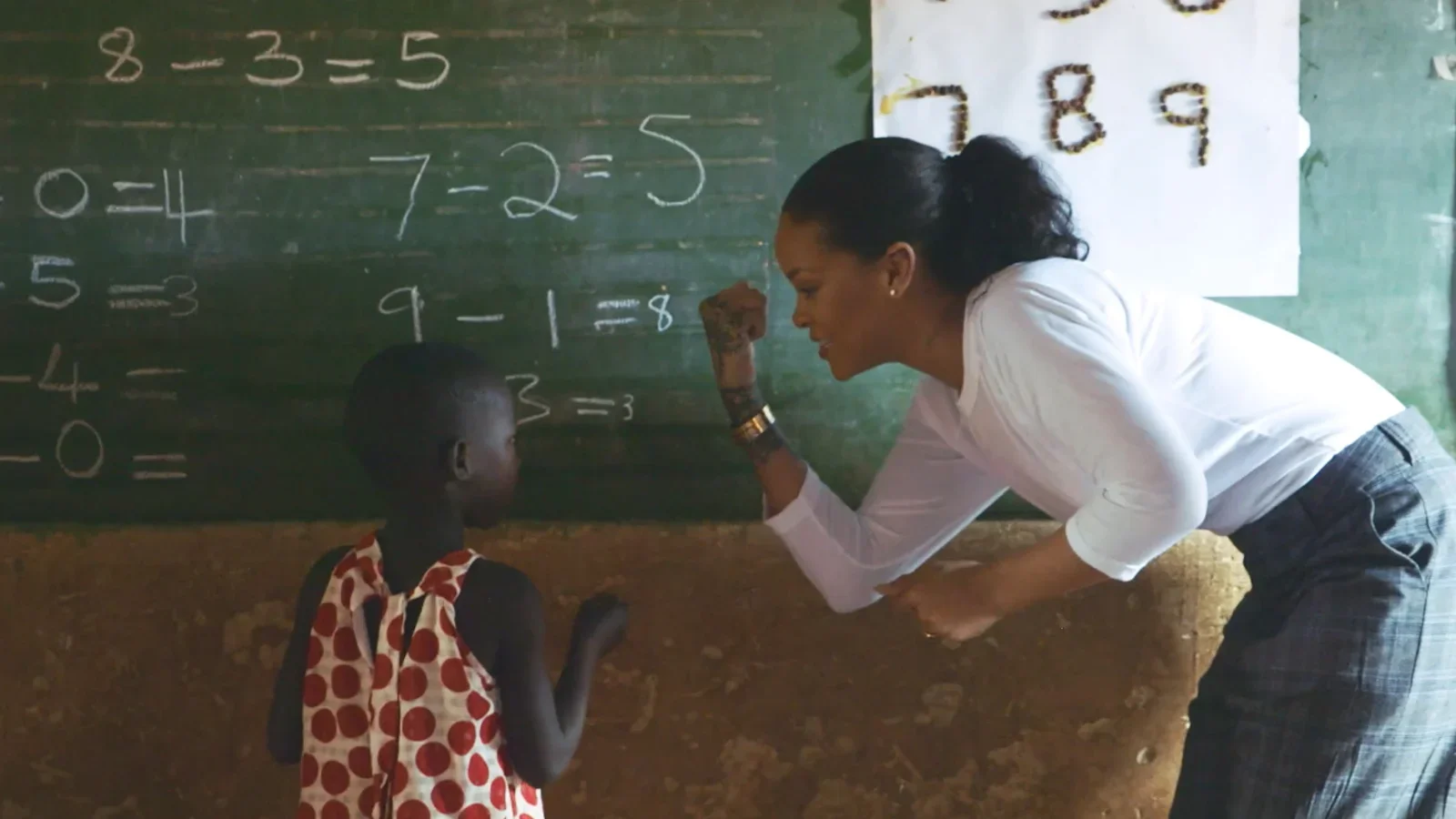
January 24th, today we celebrate learning. But on most other days of the year we mostly complain about deadlines and exams. We talk about choosing the right degree, switching majors, taking gap years, dropping out and starting over. For most, education is stressful, and yes that stress is real. But it is also a choice. And that choice? Is often taken as granted, is a privilege in itself. So while some of us panic over final exams. Meanwhile, millions around the world don’t even get to open a book.
Access to education is a fundamental human right. Everyone on this planet should be able to receive education throughout their life. But as so often, this is not the case: education is still profoundly inaccessible for millions and the freedom to be overwhelmed by learning is not a global experience. While some of us debate whether education is fulfilling enough, others are denied the opportunity to begin at all. Access to knowledge shouldn’t be a question of geography, wealth, or gender, yet for too many, it is.
Despite decades of progress, around 272 million children and young people worldwide are out of school (UNESCO). Women account for two-thirds of the 765 million adults worldwide who lack basic literacy skills (UNESCO). These numbers do not represent a lack of motivation or interests. They point to structural exclusion. While some of us stress over exams, others are denied the ability to read them at all.
The barriers to learning are many and intersecting. Access to learning is shaped by poverty, geographical isolation, disability, conflicts, early marriage and pregnancy, gender-based violence and deeply rooted social norms about the roles of girls and boys. Girls continue to face particular barriers, globally, they are more likely than boys to be out of school, often due to care responsibilities, early marriage or violence. At the same time, boys are more likely to repeat grades or leave school without a meaningful learning outcome. Together, these patterns expose education systems that fail to respond to lived realities. Education is not a ladder everyone can climb, for some, the ladder is broken before it begins.
Education is often framed as based on the idea that everyone has the same chances and one only has to work hard in order to succeed. It suggests that effort alone determines outcomes, while erasing the roles of inherent privilege, systematic discrimination and unequal access to resources. In reality, education systems often mirror the power structures of the societies they operate within, privileging some forms of knowledge, language and identities while erasing others. What is presented as achievement is often actually less about merit and more about power relations.
And current global crises only intensifies these divides. Armed conflicts and climate crises disrupt education for millions. Schools are destroyed and survival becomes a priority over schooling. Education does not exist in isolation, it is deeply entangled with political decisions, global power structures and collective priorities.
And yet, the evidence is clear: education for all leads to a more inclusive and more just world. When girls and women gain access to education, the effects are tremendous. Education has the power to save lives: reduce poverty, maternal and infant mortality and early marriage. Hence, it would enable women and girls to shape their own lives, make informed decisions and have better access to employment opportunities (UN Women).
Educating (girls) is one of the most powerful investments in our collective future. It unlocks potential in all its diversity, challenges harmful gender norms, reshapes attitudes and practices. By enabling learners to gain not only skills but also values and critical thinking, education empowers them to act as a catalyst for more justice.
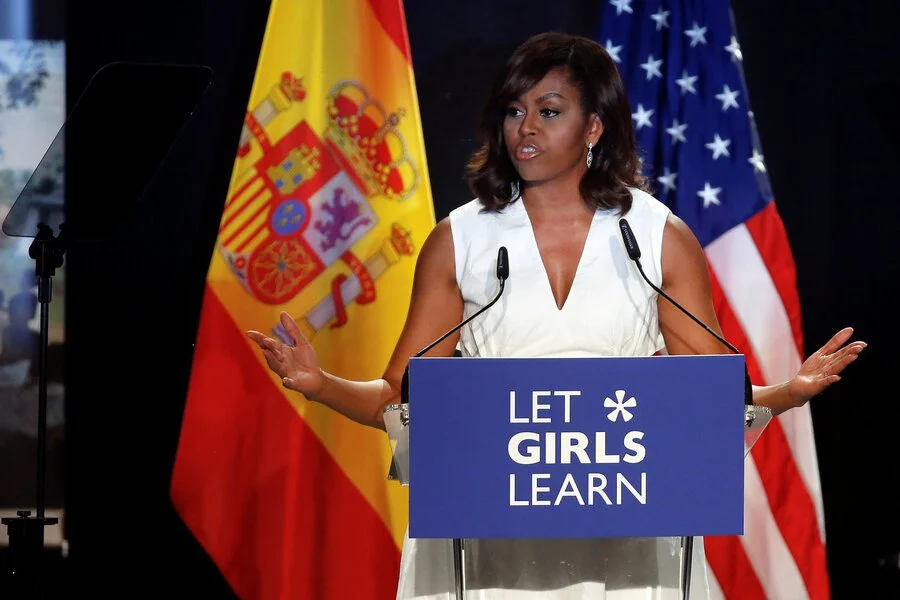
And yet, there are people who refused to accept that inequality as the norm. From Malala Yousafzai, who risked her life for girls’ education in Pakistan, to Kailash Satyarthi, who rescued thousands of children from forced labor, their actions show what it means to turn outrage into change. Paulo Freire reminded us that education is not just about knowledge, but about liberation. Maria Montessori reimagined classrooms to let every child learn at their own pace. Michelle Obama’s initiatives created pathways for girls to access schooling in communities long denied it. All these people have one thing in common: they spoke up for those who couldn’t, weren’t allowed to, or weren’t given the chance. They didn’t just highlight the problem, they created solutions, proving that change is possible when we act. Their stories are proof that education can be more than a privilege: it can be a movement.
So today, as we mark the International Day of Education, we are invited to recognise not only the importance of learning, but the privilege embedded within it. If education is truly a human right, then it cannot depend on geography, gender or wealth. And perhaps we must also learn to recognise that even the stress of studying for exams is itself a form of privilege, one that millions are never given the chance to experience. It is not enough to celebrate learning, we must interrogate it, challenge its gaps, and demand that it becomes a reality for all.
So yes, let's celebrate learning, but let's also recognise its inequalities, confront the barriers and take responsibility to ensure that opportunity, not privilege determines our global educational system.
by Alicia Fischer