
Less, But Make It Luxury: Minimalism Was Never Minimal
There is something seductive about the idea of having less. Fewer clothes, fewer products, fewer decisions. A clean apartment, a clean face, a clean mind. Minimalism sells itself as relief. As clarity. As control. But if you look a little closer, it was never really about having less. It was about having better. And better has always come at a price. Minimalism, in its current aesthetic form, is not the absence of consumption. It is its refinement. A shift from quantity to curation. From visible excess to invisible investment.
Walk into any so called minimalist apartment and you will understand immediately.
The space is calm, almost untouched. A single chrome chair. A linen sofa in the perfect off white. A sculptural lamp that looks like it belongs in a gallery. Everything feels intentional, restrained, elevated. But nothing about it is actually simple. That chair is not just a chair. It is a €2,000 design piece. The linen is not just linen. It is sourced, organic, ethically produced and priced accordingly. Minimalism in interiors does not reduce cost. It concentrates it.
Scandinavian design is often held up as the blueprint for this kind of living. Copenhagen apartments, soft daylight, light wood, clean lines, effortless layering. The “Copenhagen girl” who thrifts vintage pieces, mixes them with designer furniture and makes it all look instinctive. But even here, the logic repeats itself. Thrifting becomes a curated hunt, not an absence of consumption. Vintage markets, second hand platforms, design resales. You are still buying, just with a better narrative attached to it. It feels more conscious than walking into Ikea, and in many ways it is, but the cycle remains intact. The furniture is expensive, the design references still exclusive, the aesthetic still requires access and knowledge. Minimalism, even in its most sustainable form, does not remove consumption. It reframes it.
The same logic applies to beauty, just more quietly.
The “no makeup” look has become the ultimate status symbol. Skin that looks effortlessly untouched and naturally perfect. Hair that falls smoothly into place without trying. A beautiful manicure and pedicure with simple french tips. But behind that minimal exterior is a full infrastructure of maintenance. Dermatologists, facials, laser treatments, high end serums, supplements, hair masks, scalp treatments, preventative procedures, nerve based treatments designed to smooth and tighten without looking obvious. Blood based facials, infusions, IV drips promising energy and clarity. It is an entire system built around looking untouched, to look like you did nothing. The reality is that you could spend your rent on these monthly treatments.
Somewhere in this pursuit of effortlessness, something starts to shift. The pressure to become the most minimal version of yourself can quietly turn into exhaustion. Every choice becomes optimized. Every routine is refined. You are not just living, you are constantly editing yourself down. It moves beyond aesthetics into lifestyle. Sauna sessions, cold plunges, Pilates classes in perfectly designed studios, gym spaces that feel more like curated environments than places to move your body. Maximal effect becomes the mantra, but the routine itself is anything but minimal. It demands time, discipline, consistency and money. Wellness, in this context, stops being recovery and the more invisible it looks from the outside, the more structured and demanding it often is behind the scenes.
Minimal effort is often just invisible effort with a financial buffer. It is here where minimalism folds seamlessly into capitalism. Because what it really sells is not less. Buy fewer things, but make sure each one is the best one. The one that signals taste and awareness. You are no longer consuming randomly. You are consuming correctly. Perfectly aligned with an economy that thrives on this mindset.
This extends even further into the body itself.
Even food, the most basic form of consumption, has been aestheticized into minimalism. Clean eating. Raw ingredients. Supplements stacked neatly in glass jars. Protein powders, collagen, magnesium, greens. The idea is purity. Stripping things back to what is essential. But again, the essentials are not cheap. Eating “clean” often requires access. Time, knowledge, money. The simplicity is curated, not inherent. Minimalism merges almost seamlessly with body optimization culture. The idea is still the same. Refine, reduce, perfect. But the methods are anything but minimal. Biohacking enters the conversation with stacks designed for better skin, better sleep, better performance.
And for women, this system becomes even more layered. Because the girl who has less, probably spends more.
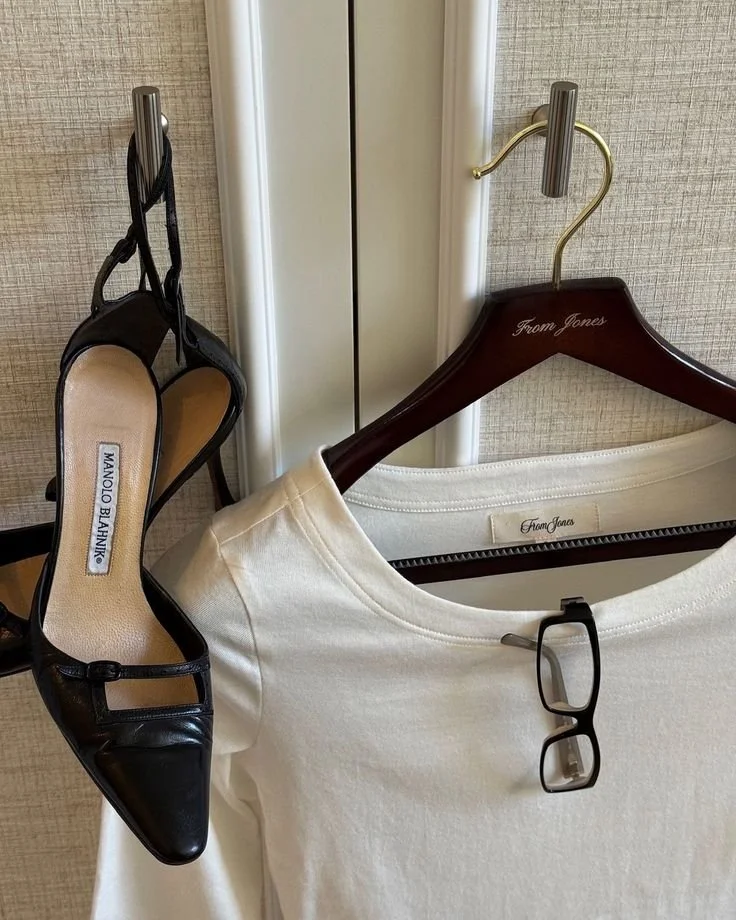
Minimalism asks for effort, it rewards those who can afford it. To look like you woke up like this is still one of the most expensive illusions to maintain. You are expected to be low maintenance, but only in appearance. The work itself just moves behind the scenes. It suggests discipline. Control. A certain kind of quiet intelligence. Owning less becomes a personality trait. A value system. But when that value system is built on high cost objects and continuous self optimization, it stops being about less. The paradox is almost perfect. The cleaner the aesthetic, the more complex the system behind it. Minimalism was never about reducing desire. It simply redirected it. Instead of wanting more, you are taught to want better. And better is endless. There is always a more perfect white T-shirt. A more refined skincare routine. A more elevated version of your space, your body, your life.
Maybe that is why a shift is happening.
The all beige apartment, the hyper controlled aesthetic, the absence of character is losing its appeal. Not disappearing, but evolving. People still want minimalism, but now with personality. Color comes back in. Art returns to the walls. Textures, objects, collected pieces that feel less sterile, more lived in. But even this shift carries the same structure. A statement rug, a curated artwork, a unique vintage find. Character, too, becomes something you acquire. The desire changes shape, not direction. Minimalism does not really exist in the bubble most of us are living in. Are we willing to admit what it actually is? Not an escape from consumerism, but actually it is the most polished version of it.
by Lareen Roth
PHOTOGRAPHY by Pinterest