
Timothée Said It’s Over. It’s Not: Ballet And Theater Nights - A Seat Worth Dressing For
When Timothée Chalamet recently claimed that ballet and theater might be losing relevance, the reaction was immediate. The internet did what it does best. It got loud, defensive, emotional. But strip away the noise for a second and something more interesting appears. What does it actually mean, today, to step onto a stage? What does it mean, right now, to choose a velvet seat over a screen, to sit through something long, slow, intentional? Why does walking into a theater still feel like stepping into a world that expects more from you, and gives more back in return because it still feels so different from everything else we consume?
The Work You Don’t See
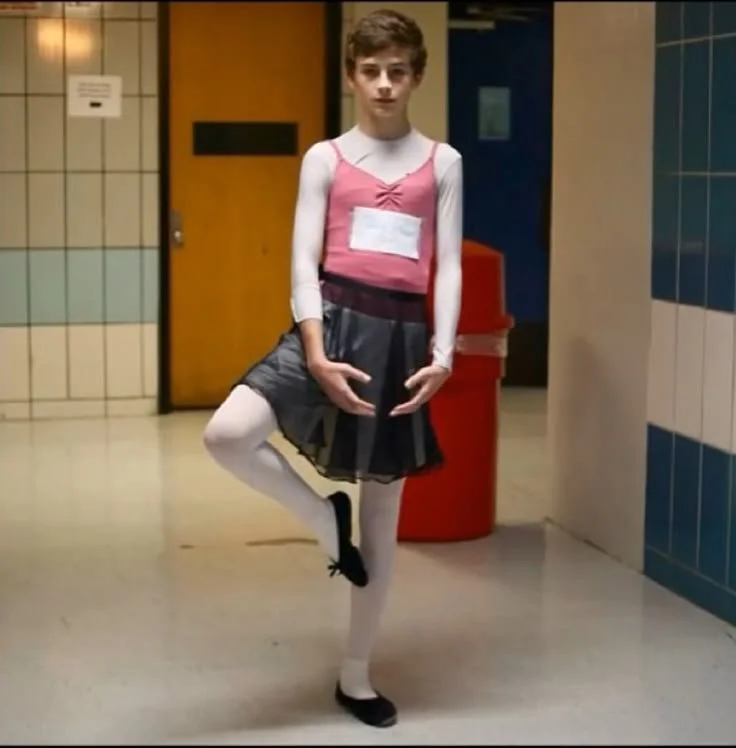
Before the curtain lifts, there are years that never make it into the spotlight. A ballet dancer starts young. Discipline becomes muscle memory before identity even fully forms. Hours at the barre, repetition until precision feels almost violent. Injuries that are not dramatic enough to stop but constant enough to shape the body. The kind of perfection that is built quietly, daily, without applause.
Theater is no softer.
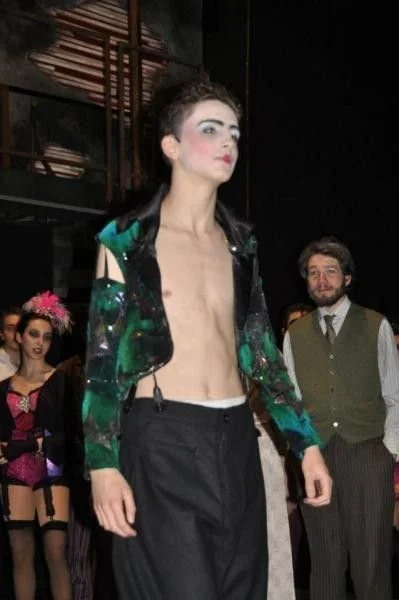
Scripts dissected line by line. Blocking rehearsed until movement feels instinctive. Voice trained, controlled, pushed. Entire emotional landscapes are built and rebuilt until they can be accessed on command, night after night, in front of a room full of strangers. There is no pause button. No edit. And that is exactly where the beauty comes from. Every performance exists once. Slightly different every night. A glance that lands differently depending on who is watching. It is unstable in the best way. For the person on stage, that is pressure and adrenaline at the same time. You are not just performing. You are holding a room. You feel when attention shifts and when something lands. For the audience, it is something else entirely. You are not consuming. You are witnessing. And there is something almost intimate about sitting in a dark room with strangers, all of you focused on the same fragile moment unfolding in real time right in front of you. No scrolling. No skipping. Just presence.
Centuries Of Power
Ballet and theater are not new formats trying to survive modernity. They have already survived everything. Courts, revolutions, wars, technological shifts, cultural resets. From royal stages to underground scenes, from classical compositions to experimental performances that barely resemble their origins. Spaces like the theater and opera still carry that layered history. You feel it in the architecture, in the rituals, in the way the room itself demands a certain kind of attention. Because it is a moment that cannot be repeated. We live in a time that rewards speed. Content that fits into seconds. Stories that can be paused, replayed, optimized. Attention is fragmented in our generation.
And then there is a three hour opera. A slow unfolding ballet. A play that sits in silence.
From the outside, that can look outdated, whatever you say Chalamet... but from the inside, choosing to sit through something long, slow, demanding is a decision. It is intentional and intention has value.
Dressing Up For Something Real
There is the part we don't talk about enough. Going to the theater is not just about the performance. It is about the ritual around it. Going to the theater is not just about watching something. It is about becoming someone for a night. You get dressed, not for a chill movie, not for a quick dinner, but for an evening that has weight. The question is no longer what is comfortable or easy. It becomes what feels right for a space that carries weight. What matches velvet seats, dim chandeliers, quiet anticipation. The theater asks for intention and fashion answers. A heavy coat from The Row thrown over a barely there slip. A perfectly cut blazer worn as a dress. Prada when you want it clean, precise, almost severe. It is less about being loud and more about being exact.
Textures start to matter. Silk that moves when you walk through the foyer. Wool that holds shape. Leather gloves if you want to lean into the drama. A bag that feels like an object, not an accessory. Chanel if you want to play into legacy. Bottega Veneta for something quieter.
You step away from the predictable night out formula. No mini bodycon, instead, you experiment. A pantsuit that elongates everything. A long skirt that moves just enough. A coat that becomes part of the look instead of something you take off. You dress like you have somewhere to be that matters because you do.
What makes it even more magnetic is how every generation interprets this moment differently and somehow it all works in the same room. Older women move through the space with a kind of quiet authority. Vintage Chanel jackets, perfectly tailored trousers, blouses that have structure without trying too hard. Jewelry that feels collected over time, not styled for the night. There is no need to impress. It is just taste, lived in and effortless.
And then the younger crowd arrives with a different kind of energy. More experimental, more playful with references. A Saint Laurent suit worn oversized, there is a curiosity in the way they dress, like trying on versions of themselves. Somewhere in between, you see everything else. Women in their thirties and forties who have mastered that balance between statement and restraint. Different ages, different approaches, same intention. Everyone is participating in the same ritual, just in their own way. No one looks out of place. No one is overdressed. No one is underdressed. It all blends into this shared atmosphere where fashion is not competing, it is contributing. You arrive early, coat still on, catching your reflection in the mirror, adjusting something small. The sound of heels on marble, low voices, glasses clinking softly. You feel it. This is not just about what is happening on stage. It is the entire room. You arrive early, you take in the room, almost cinematic, but in real life.
Normalize Showing Up
Ballet and theater are not competing with streaming. They are offering something entirely different. The point is not about saving these art forms, it is about remembering how to engage with them. And maybe also about remembering a version of ourselves that is not constantly distracted. Go even if you have to sit still without your phone for two hours and it feels uncomfortable at first. Somewhere between the silence, the music, the movement and the stillness, something clicks. Not in a loud, life changing way, but in a subtle shift. You feel more present, more aware, slightly pulled out of the constant noise.
by Lareen Roth
PHOTOGRAPHY BY PINTEREST